
Best Prediction Market Platforms Ranked in 2026: Top 6 Reviewed
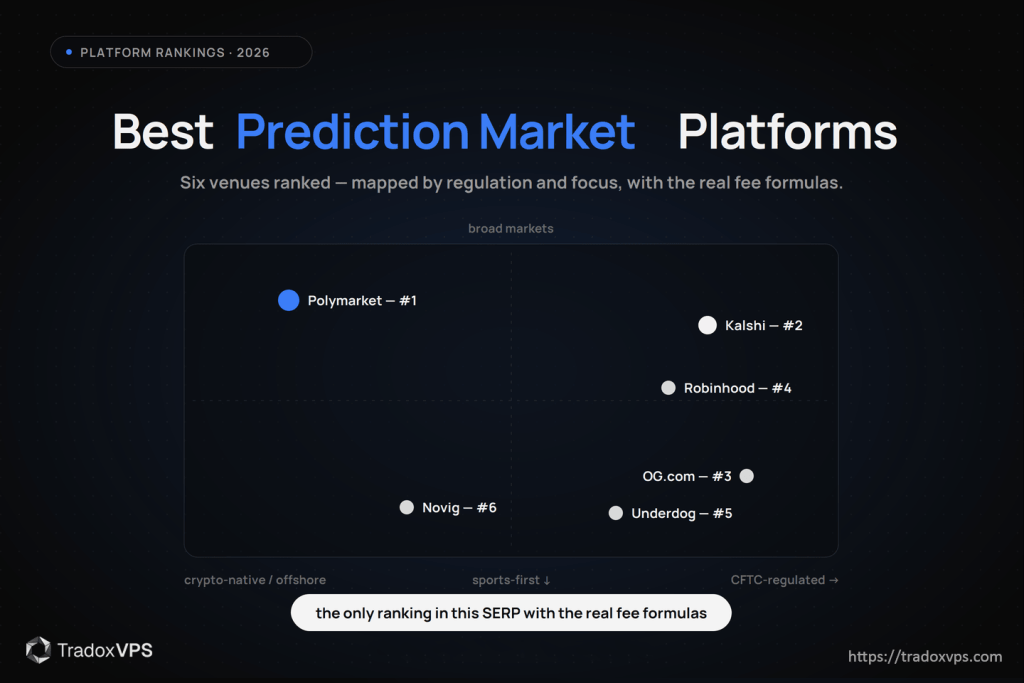
Six prediction market platforms matter in 2026 — and most rankings can’t tell you what any of them actually charge. Polymarket, Kalshi, OG, Robinhood, Underdog, and Novig reviewed with real fee formulas, regulatory status, and honest criteria.
Polymarket V2 migration guide: updating your trading bots for 2026
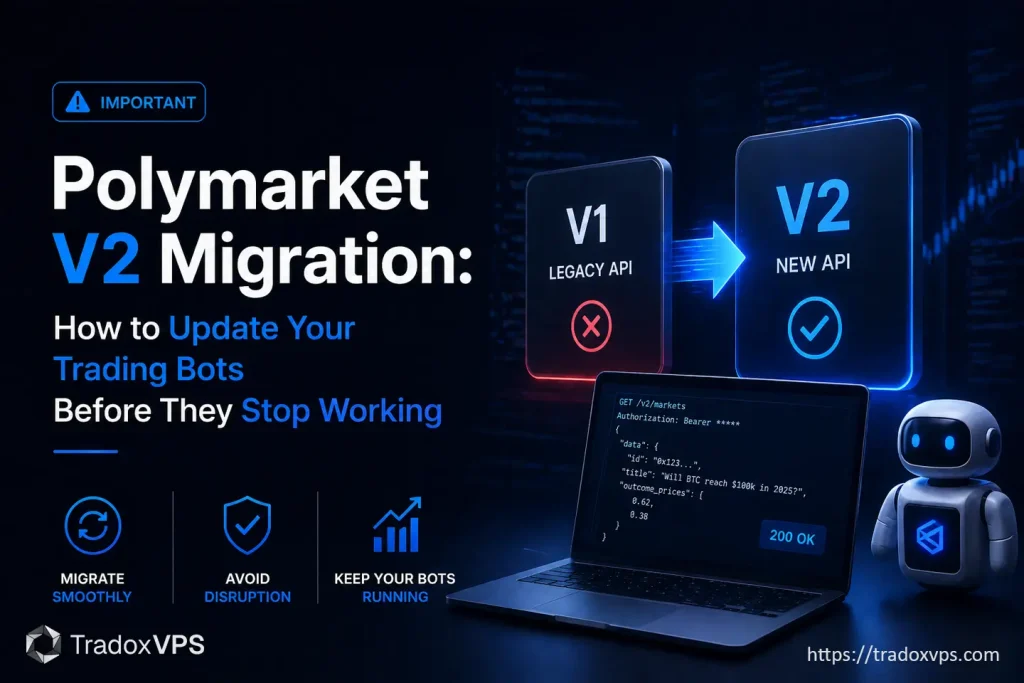
Polymarket V2 is here, introducing mandatory deposit wallets for new API users and the new Signature Type 3. Here is the big-picture migration guide to keep your bots running in 2026.
How to Start Trading on Polymarket: A Beginner’s Step-by-Step Guide
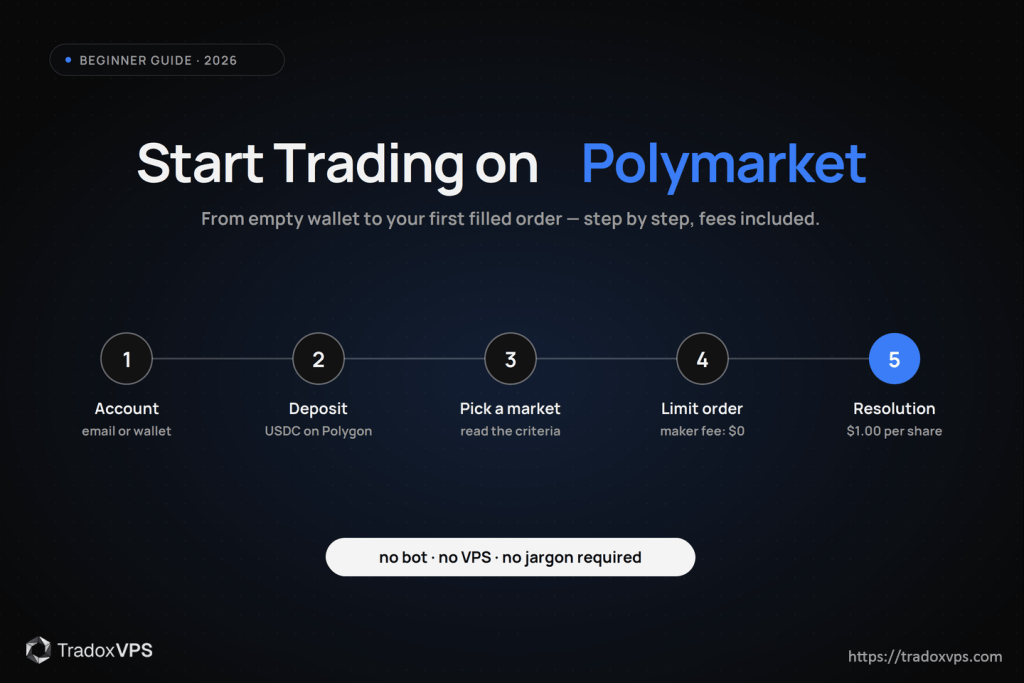
Polymarket looks intimidating — wallets, order books, USDC — but starting takes one afternoon and zero special tools. The complete 2026 walkthrough: account, deposit, your first limit order (free as a maker), the fees nobody mentions, and sizing that survives.
How to Set Up a Polymarket Bot on a VPS
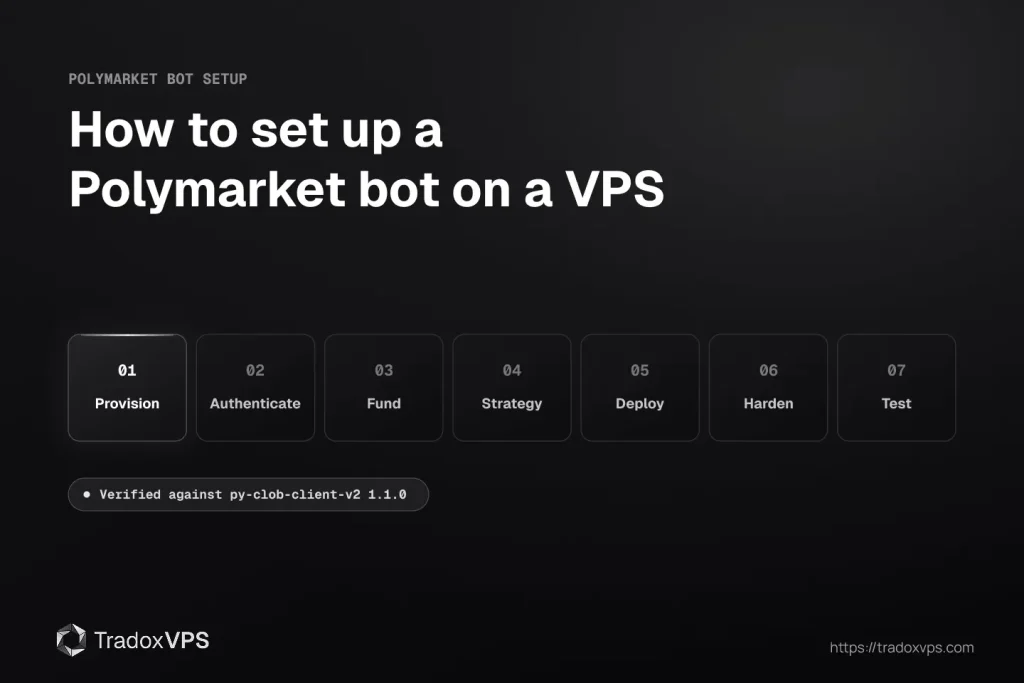
Every Polymarket bot tutorial you’ll find predates the April 2026 CLOB cutover, which means the SDK it installs no longer connects and the token it funds is no longer collateral. This is the current build, with every command run against the live SDK before publishing.
Polymarket vs Kalshi: Which Prediction Market Is Better for Traders in 2026?
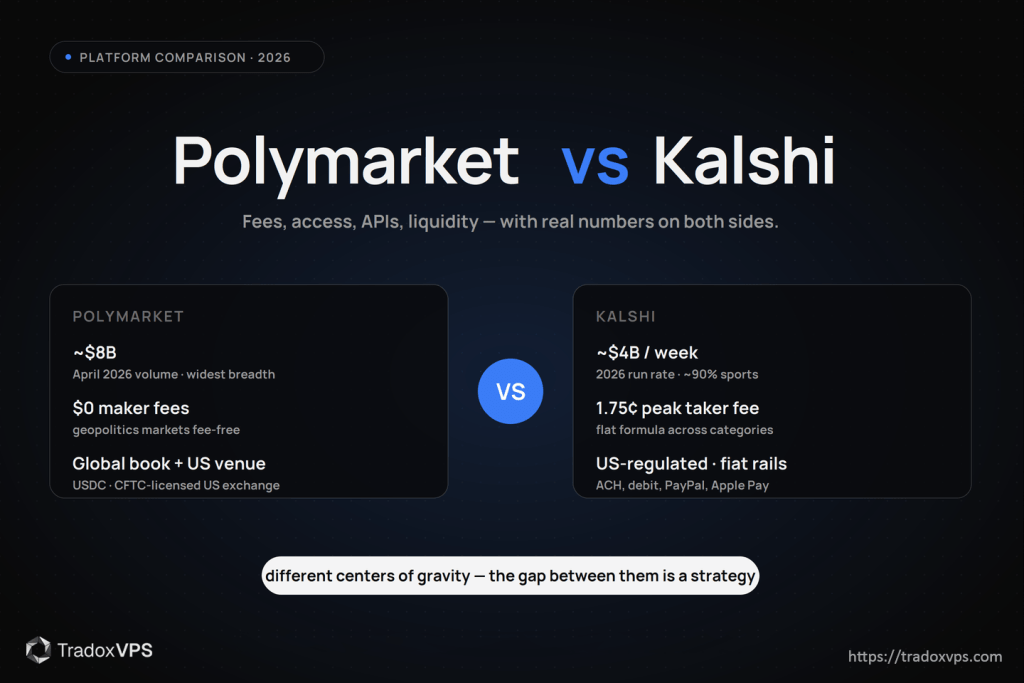
Polymarket vs Kalshi in 2026, with real numbers: both fee formulas worked side by side, US access rules, API truth, liquidity, and which fits your trading.
The Best VPS for Kalshi Trading Bots: Latency, Hardware & Uptime
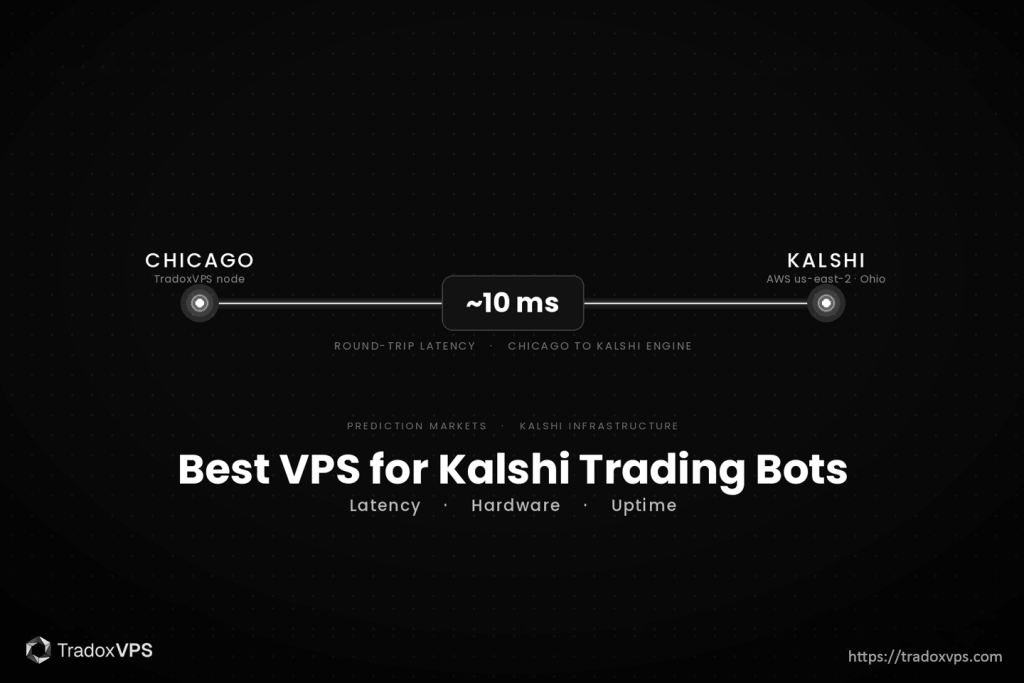
The Fed rate decision dropped at 2:00 PM ET. Within 400 milliseconds, the YES contracts on Kalshi’s “Will the Fed hold rates at the March meeting?” market moved from 72¢ to 91¢. A market maker running Python bots from a residential connection in Dallas updated their quotes 340 milliseconds later. By then the opportunity was gone — […]
Polymarket Bot vs Manual Trading: Which Is Better in 2026?
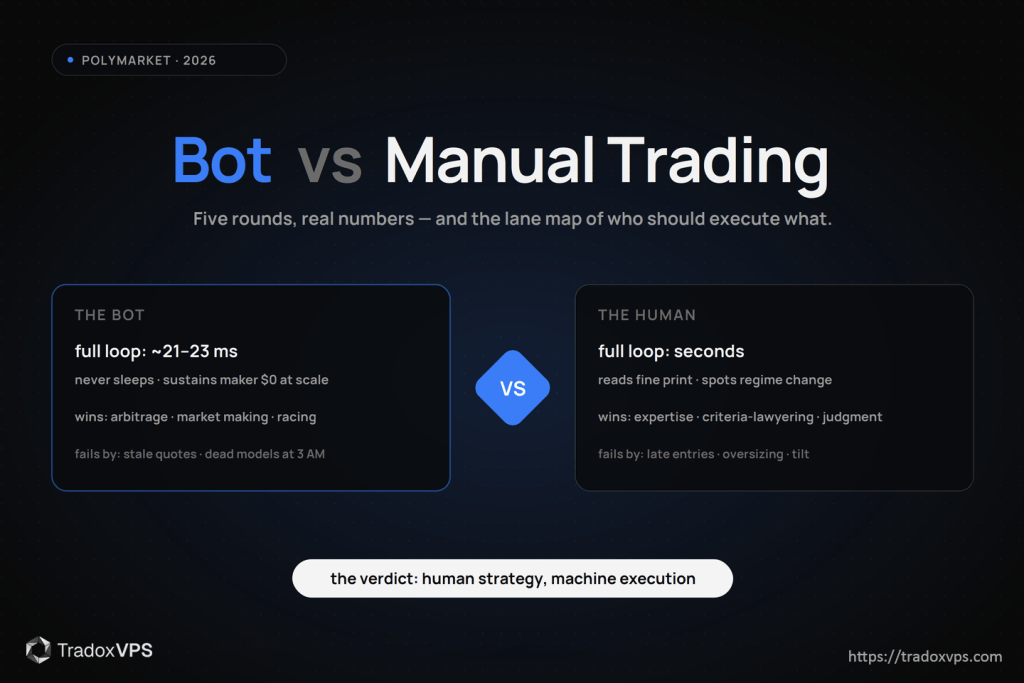
Bots complete their entire trade loop before a human eye registers the price change — and 84% of wallets still lose money, bots included. The honest five-round comparison: measured speed, the 2026 fee twist, where judgment still wins, and the lane map.
How to Run a Polymarket Bot 24/7 Using a VPS in 2026
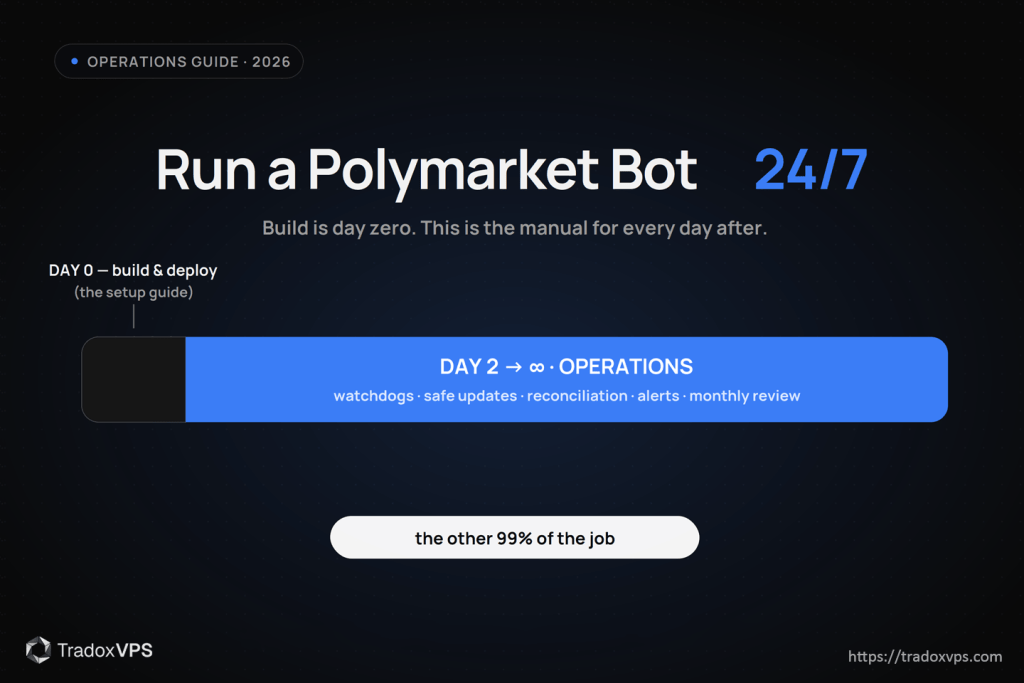
Your bot’s worst enemy isn’t a slow server — it’s the 3 AM hour when the process runs but the WebSocket died eleven minutes ago. The operations manual: uptime math, watchdogs, safe updates, restart reconciliation, alerts, and incident playbooks.
Local PC vs VPS for Polymarket Bots: Which Setup Is More Reliable?
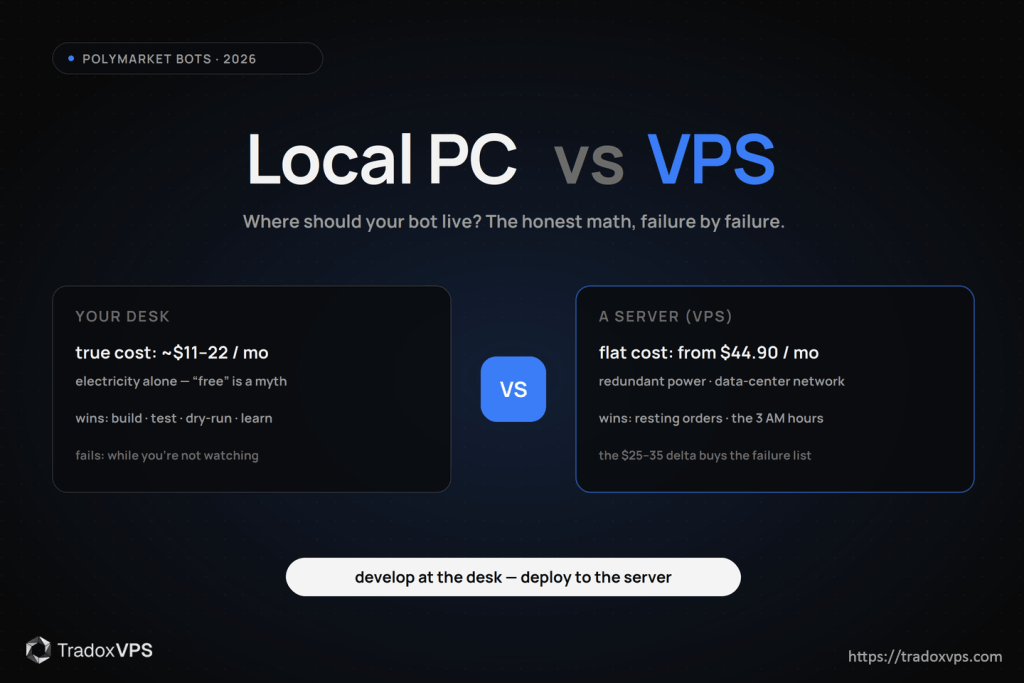
“My PC is free” is the most expensive assumption in bot trading — a desk running 24/7 burns $11–22 a month in electricity before its first failure. The honest comparison: six default failure modes, real cost math, and when your desk wins.
Recommended VPS Specs for Running a Polymarket Bot in 2026
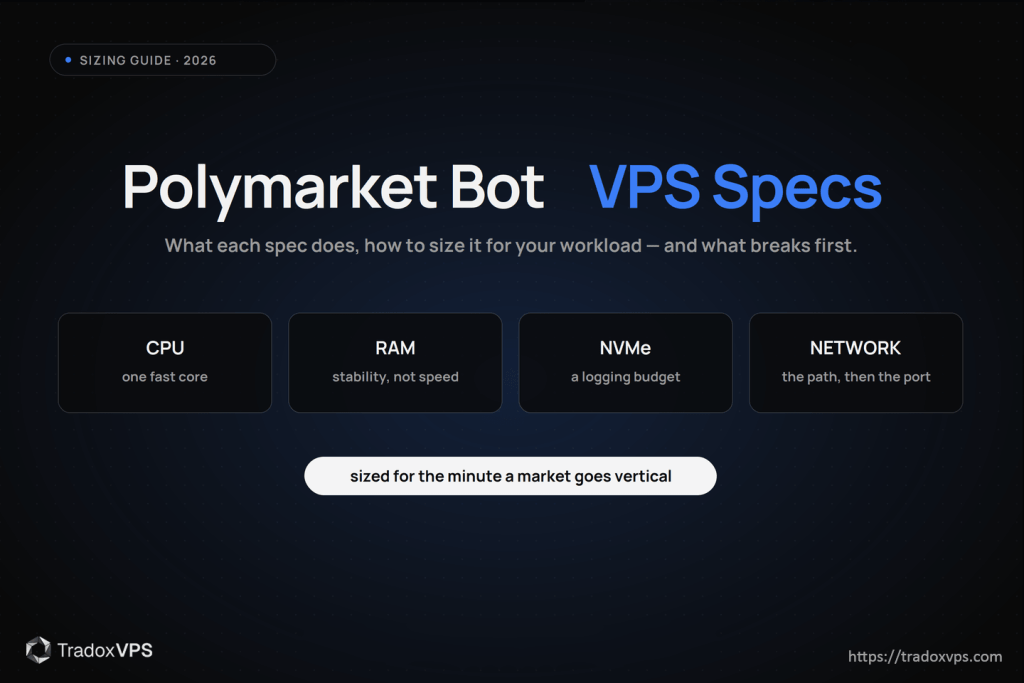
Most spec guides are a parts list with adjectives. This one explains what CPU, RAM, storage, and network actually do inside a Polymarket bot, how to size each for your workload — and what breaks first when you undersize, with the commands to check any box.